
citizen science

BirdNote in the Classroom - Jessie Soder's Class

Jessie Soder is bringing nature into her classroom. Students in her 4th and 5th grade classes in Gustavus, Alaska, are studying the birds of their region. They’ve designed a yearlong scientific study to identify plant communities with the most birds – and why. Students collect data on field trips... read more »

RELATED
Topics & Themes:  citizen science

The American Kestrel Partnership

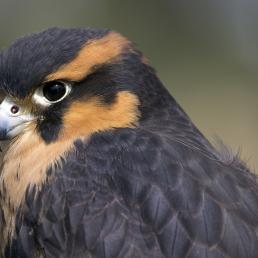
American Kestrels are the smallest falcons in the country. But they're such colorful and charismatic little birds -- they make up for their size with their attitude! In the last 50 years, American Kestrel populations across North America have declined by almost half. The lack of nesting... read more »

RELATED

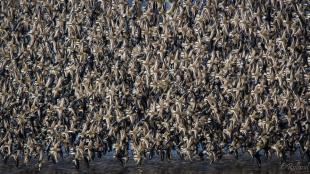
Monitoring Migrating Shorebirds - With Sarah Schmidt

Right now, volunteer observers are counting shorebirds on the move. Sandpipers, dowitchers, plovers, Dunlin, and others that raised their young in the Arctic are now making southbound migrations. They're looking for places to feed and rest along the way. On Crockett Lake in Washington, Sarah... read more »

RELATED
Topics & Themes:  citizen science

Yellow-billed Magpies and West Nile Virus

Like their cousins, jays and crows, the Yellow-billed Magpies of California were hit hard by West Nile virus. The disease reduced magpie numbers by half. Habitat loss and poisoning also threaten the birds. They're now on Audubon's watchlist of species of concern. Whether the magpies will develop... read more »

RELATED
Topics & Themes:  citizen science

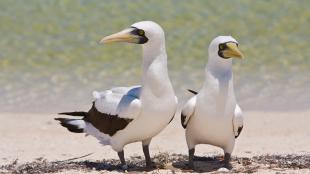
The COASST Program - Interview with Julia Parrish

In the late 1990s, Julia Parrish started the Coastal Observation and Seabird Survey Team or COASST. Julia says: "We train people to go out to their local beach and survey it. They are looking for birds that have literally washed in on the last tide. COASST offers people a chance to learn more... read more »

RELATED

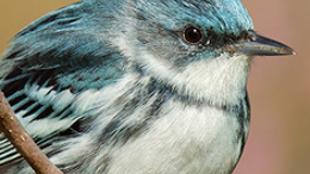
Counting Kirtland's Warblers - Interview with Karen Markey

Learn about one of the first species to be listed as endangered after Congress adopted the Endangered Species Act in 1973: The Kirtland's Warbler. Karen Markey and others make an annual census of the birds, to help federal and state agencies determine how well the recovery plan for the warblers... read more »

RELATED

Mysterious Disappearance of Evening Grosbeaks

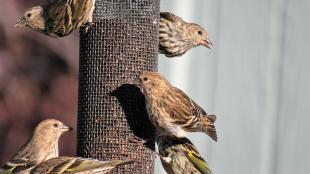
In 1987, when Project FeederWatch began, Evening Grosbeaks were among the most common birds at birdfeeders during the Northeast winter. Now they're completely absent in many of those same areas. In the West, too, they're showing up in reduced numbers. Why have so many Evening Grosbeaks... read more »

RELATED
Topics & Themes:  birdfeeding, citizen science

Terns of Great Gull Island - Interview with Helen Hays

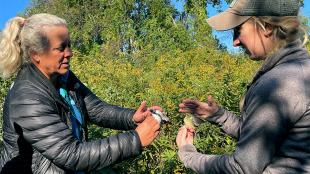
Helen Hays has been observing and banding the Common and Roseate Terns that nest on Great Gull Island since 1969. She's there with colleagues from the American Museum of Natural History and a host of dedicated volunteers. These terns nearly disappeared when plume-hunters slaughtered them for... read more »

RELATED
Topics & Themes:  citizen science, science

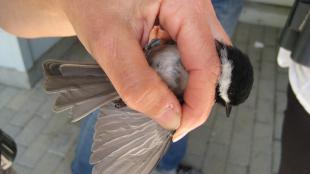
Klamath Bird Observatory

The Klamath Bird Observatory in southern Oregon uses rigorous methods to understand bird migrations and populations. At sunrise, observers record every single bird they see or hear. They record courtship displays and whether the bird is carrying food or nesting material, or singing to stake out a... read more »

RELATED
Topics & Themes:  citizen science

HawkWatch 2010

Chelan Ridge, at 5,000 feet, in the Cascade Mountains... Overhead, a Red-tailed Hawk catches an updraft as it migrates south. It's one of 14 North American fall raptor migration sites monitored by HawkWatch International. The HawkWatch project identifies and counts hawks, eagles, and vultures,... read more »

RELATED
Topics & Themes:  citizen science, migration, science

Pages